
Lower energy bills
Reducing heat flow through walls means your heater and air conditioner run less often. Most Chelsea households notice a drop in energy costs after installing wall batts.
Chelsea Wall Insulation
Wall insulation in Chelsea stops winter heat loss and summer heat gain through external walls. We install glasswool, polyester or rockwool batts into open stud frames during renovations, extensions or new builds to improve thermal resistance and comfort.
Share your details and Expert Insulation Melbourne will contact you about Wall Insulation in Chelsea.
Chelsea’s coastal climate brings cold damp winters and hot dry summers, making wall insulation a smart upgrade for brick veneer, weatherboard and double brick homes. Installing batts between studs slows heat transfer through walls, keeping interiors warmer in winter and cooler in summer without relying solely on heating and cooling systems.
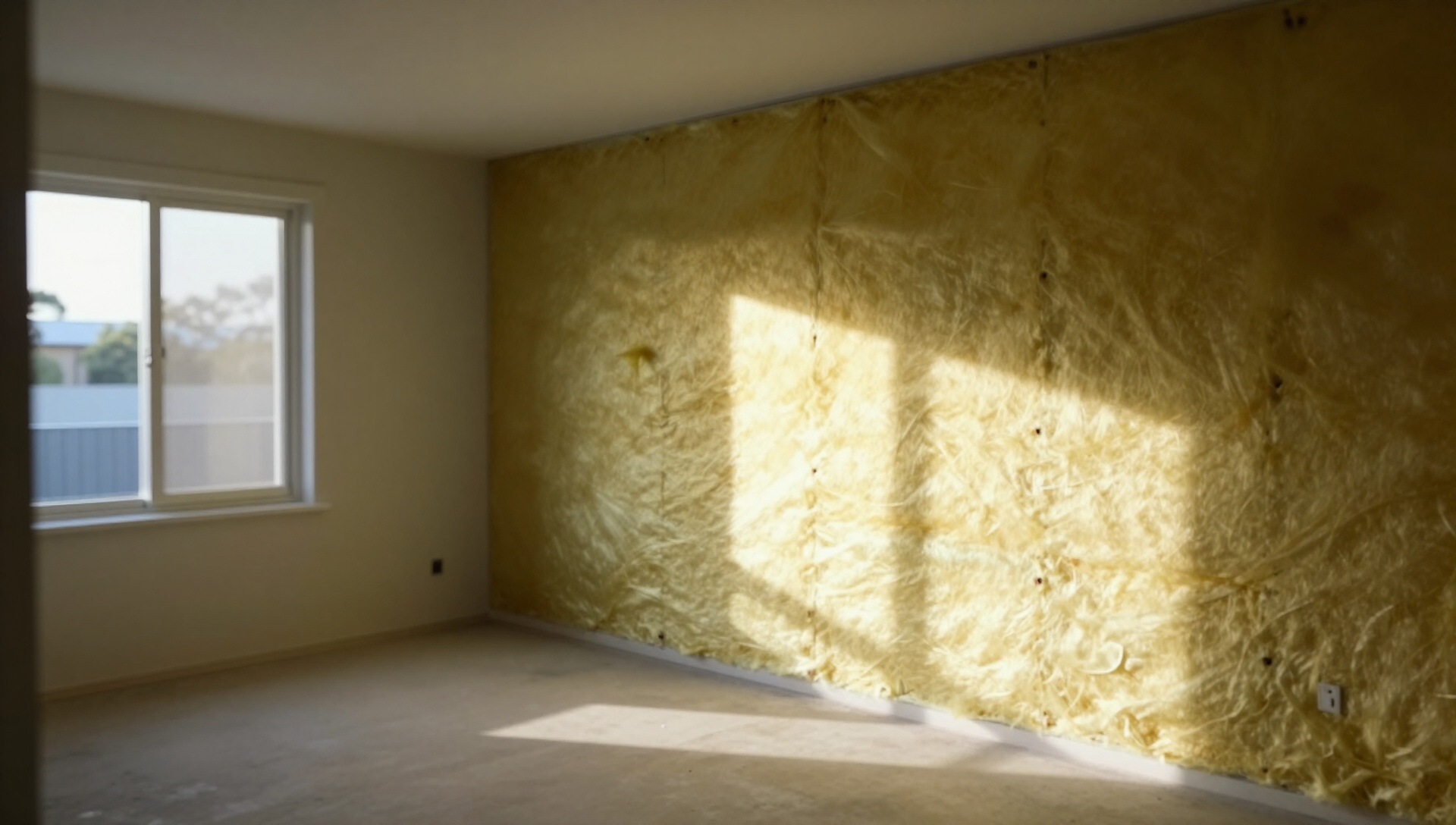
Chelsea homes near the bay are exposed to strong winds and temperature swings, so uninsulated walls lose heat fast in winter and absorb heat in summer. Proper wall insulation addresses these issues directly.
Reducing heat flow through walls means your heater and air conditioner run less often. Most Chelsea households notice a drop in energy costs after installing wall batts.
Batts trap still air in the wall cavity, slowing heat transfer. Rooms stay warmer in winter and cooler in summer with fewer cold spots near external walls.
Insulated walls are less prone to cold surfaces that cause condensation and mould growth, a common issue in older Chelsea homes with poor thermal performance.
Dense batts absorb airborne noise, so traffic from Nepean Highway or nearby streets is less noticeable inside your home.
Brick veneer walls have a timber frame and cavity that can take batts. Weatherboard walls are straightforward to insulate during cladding replacement or internal lining work.
Quality batts retain their thickness and R-value over time, unlike compressed or degraded old insulation that loses effectiveness.
Wall insulation is installed when the wall cavity is open, either from the inside during a renovation or from the outside during re-cladding. The process is clean and efficient when planned as part of building work.
We check the wall type, stud spacing and cavity depth to confirm suitability for batts. For brick veneer, we verify there is a clear cavity and no moisture issues.
Glasswool and polyester batts are common for walls, with R2.0 to R2.7 typical for Melbourne. Acoustic batts are used for internal walls where noise reduction is a priority.
Batts are cut to fit snugly between studs without gaps or compression. We maintain clearances around electrical cables and services as required by building codes.
Once batts are in place, we ensure the lining is properly fixed and sealed to prevent draughts. For brick veneer, we leave the cavity intact and avoid blocking weep holes.
Chelsea has a mix of older weatherboard homes and postwar brick veneer houses, many of which were built without wall insulation. Adding batts during renovations or extensions improves thermal comfort and energy efficiency, especially for homes near the coast that are exposed to wind and temperature extremes.
We install wall batts in Chelsea homes to reduce heat loss and gain through external walls.
Homeowners in Chelsea often ask about the best time to install wall insulation, which R-value to choose and whether it can be added to existing walls.
Wall insulation in Chelsea is a cost-effective way to improve thermal performance in brick veneer, weatherboard and double brick homes. By installing batts between studs, you reduce heat loss in winter and heat gain in summer, cutting energy bills and improving comfort. This is especially valuable in Chelsea, where coastal winds and temperature swings can make uninsulated homes feel cold and draughty.
The process involves fitting glasswool, polyester or rockwool batts into open wall cavities during renovations, extensions or new builds. Typical R-values for walls range from R2.0 to R2.7, providing effective thermal resistance without adding bulk. For brick veneer walls, batts are installed in the timber frame cavity, while weatherboard walls can be insulated when internal linings are removed or replaced.
In addition to thermal benefits, wall insulation reduces noise transfer from outside, making it ideal for homes near busy roads like Nepean Highway. Acoustic batts can also be used for internal walls to minimise sound between rooms. Properly installed wall insulation lasts for decades, maintaining its R-value and performance over time.
Improve your home’s thermal performance with wall insulation installed by Expert Insulation Melbourne. We work across Chelsea and can advise on the best batts and R-values for your property.